
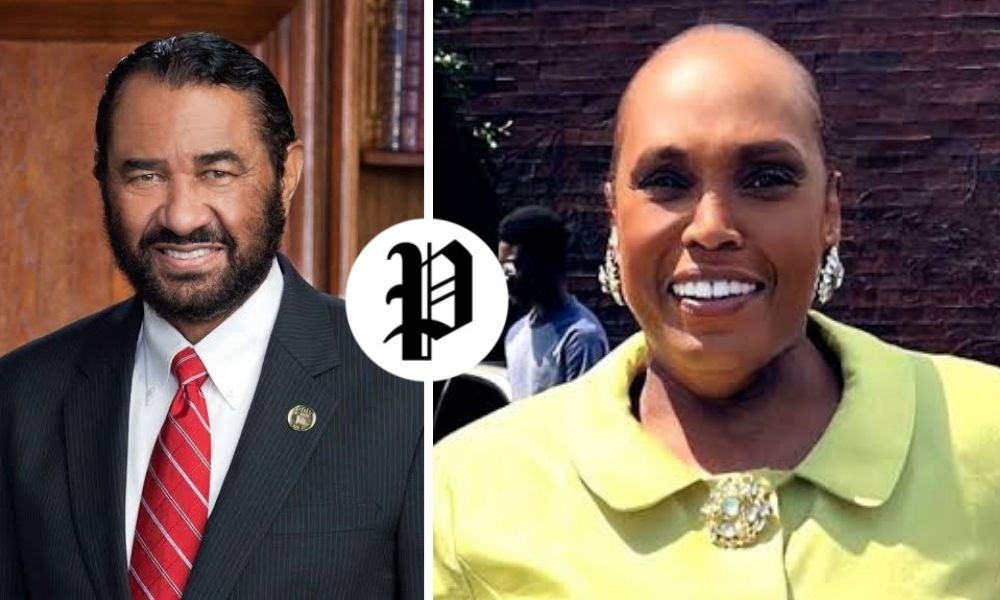
Shirley Kyles is often introduced through one simple label: Al Green’s former wife. That label is true, but it is too small. Her story also belongs to gospel music, church work, family life, and the hidden labor often done by women behind famous men. Before the marriage became a painful public story, Shirley Kyles had her own church identity. She was not only standing beside a star. She was already serving through music, faith, and organization.
The best way to understand Shirley Kyles is to begin before the headlines. In 1976, she met Al Green at Mount Vernon Missionary Baptist Church in Memphis. The Washington Post reported that she was serving there as minister of music. That detail matters because it shows that Shirley Kyles entered Green’s world with experience, not emptiness. She knew church life. She knew music ministry. She understood how faith communities worked from the inside.
Shirley Kyles Before the Famous Marriage
Many celebrity stories begin with the famous person first. Shirley Kyles’s story should not. She came from a Baptist background and had experience in church matters. The Washington Post reported that she was the daughter of a Baptist preacher in Chicago. That background helped prepare her for church leadership and gospel work. It also helps explain why Al Green saw her as someone who could help during his shift toward ministry.
When people talk about Al Green’s move from soul music to gospel, they often focus only on his voice, his trauma, or his public faith. Those things are important. But the church world also needs workers. It needs singers, organizers, teachers, helpers, planners, and people who can turn spiritual ideas into daily structure. Shirley Kyles became part of that practical side of the story.
Meeting Al Green Through Gospel Music
Al Green was already famous when Shirley Kyles met him. He had built a major career with songs such as “Let’s Stay Together” and “Tired of Being Alone.” The Encyclopedia of Arkansas describes him as one of Arkansas’s best-known singers, with a career that moved through R&B, pop, and gospel. It also notes that his falsetto voice remained a major part of his appeal.
But fame did not mean his life was simple. By the mid-1970s, Green was moving through a serious personal and spiritual change. He had survived a terrible 1974 incident in which a former girlfriend burned him with hot grits and then died by suicide. Later, he moved closer to ministry and bought Full Gospel Tabernacle in Memphis. The Encyclopedia of Arkansas says he bought the church in 1976 and later became its pastor.
That is where Shirley Kyles becomes important. According to The Washington Post, Green asked her to help put together a backup group because he was changing his music toward gospel. She joined his group that year. This was not just a romantic connection. It began through church, music, and work.
The Woman Who Helped Build Church Structure
One of the strongest parts of Shirley Kyles’s story is her work at Full Gospel Tabernacle. The Washington Post reported that she helped set up the church’s organizational structure. She also started a day-care center connected with the church. These details are easy to overlook, but they reveal a lot.
A church is not only a pulpit. It is also schedules, records, children, families, music, outreach, care, and daily problems. A famous pastor may preach, sing, and draw attention. But someone must help make the institution work. Shirley Kyles’s role shows the kind of hidden labor that rarely becomes famous. It is work that can shape a ministry without appearing on album covers or stage lights.
This angle makes her story different from a simple “ex-wife biography.” Shirley Kyles was part of the foundation around Al Green’s gospel years. She helped in the space where music, church, family care, and administration met.
Why Her Music Role Matters
Being a minister of music is not a small church title. It can mean choosing songs, leading singers, shaping worship, guiding rehearsals, and helping create the emotional sound of a service. In many Black church traditions, music is central. It carries memory, pain, joy, hope, and testimony. A minister of music does not only perform. A minister of music helps lead the room.
That is why Shirley Kyles’s role at Mount Vernon Missionary Baptist Church matters. She was already trusted with music before she became publicly linked to Al Green. Her skill and church experience made her useful at a time when Green was trying to move from romantic soul into gospel expression.
Al Green’s gospel turn is usually told as his private spiritual story. But Shirley Kyles’s presence reminds readers that personal transformation often includes other people. Someone helps with the choir. Someone helps with the group. Someone helps with the church office. Someone helps build the structure that makes a public calling possible.
The Marriage and the Painful Public Record
Shirley Kyles and Al Green married in June 1977. The Encyclopedia of Arkansas says they divorced in 1983. It also states that she later alleged abuse, and that Green acknowledged under oath that he had been abusive during their relationship.
This part of the story should be handled with care. It should not be used for gossip or shock. It should also not be erased. Shirley Kyles spoke publicly years later in a Washington Post interview. The article reported that she wanted her story to help victims of domestic violence and help abusers understand harm. She also said prayer and faith sustained her.
For this article angle, the focus is not on turning pain into drama. The focus is on seeing Shirley Kyles as a whole person. She was a music leader. She was a church worker. She was a mother. She was also a woman who lived through a painful marriage and later found the strength to speak.
The Hidden Labor Behind Public Ministry
Shirley Kyles’s story opens a wider question. How many women help build religious or music careers without receiving public credit? In many churches, women lead choirs, teach children, manage programs, organize meals, support pastors, guide families, and keep daily ministry alive. Their work may be central, but their names may stay in the background.
This is why Shirley Kyles deserves a deeper article. Her life shows how public religious careers can depend on private workers. Al Green’s voice made him famous. His church made him a pastor. But the church space also needed people like Shirley Kyles, who knew how to serve, organize, and lead through music.
That does not mean she should only be valued for helping him. It means her own contribution should be named. She was not just near Al Green’s gospel world. She helped shape parts of it.
A Better Way to Write About Shirley Kyles
A strong article about Shirley Kyles should avoid two mistakes. The first mistake is reducing her to “Al Green’s ex-wife.” The second mistake is reducing her only to the abuse record. Both are incomplete. Her story includes marriage and pain, but it also includes music, faith, motherhood, work, and survival.
The best article should keep the tone respectful. It should use documented facts. It should not invent private scenes. It should not claim to know what she felt unless a source records her words. It should also avoid making Al Green’s fame the only center of the story.
A better article can show Shirley Kyles as a woman who entered the story with her own gifts. She had church roots. She had music experience. She had practical skill. She helped with a day-care center and church structure. She later used her voice to speak about harm. That is a fuller and more human story.
Why This Story Still Matters
Shirley Kyles matters because her life shows the space between public fame and private work. Many people know Al Green as a soul legend, gospel singer, and pastor. Fewer people know about the woman who met him in church, worked with his gospel group, and helped organize part of his church life.
Her story also matters because it asks readers to look more carefully at women around famous men. These women are often described as wives, former wives, or partners. But many of them have skills, labor, faith, and leadership of their own. Shirley Kyles was connected to a famous name, but she was not empty without that name.
Final Thoughts
Shirley Kyles’s story is not a simple celebrity side note. It is a story about gospel music, church labor, faith, public image, and personal strength. She met Al Green through a church setting, served as a minister of music, helped with his gospel group, and supported the structure of Full Gospel Tabernacle. Those facts show a woman with her own spiritual and practical role.
Writing about Shirley Kyles this way gives readers a more honest picture. She was not only part of Al Green’s private life. She was part of the church world around his gospel turn. Her story reminds us that behind many public ministries are people whose names are not always celebrated, but whose work still matters.
FAQs
1. Who was Shirley Kyles?
Shirley Kyles was a church music leader and the former wife of singer and pastor Al Green. She is publicly known because of her marriage to Green, but her own background in gospel music and church work is important too. She served as minister of music at Mount Vernon Missionary Baptist Church in Memphis before becoming closely connected to Green’s gospel and church life.
2. How did Shirley Kyles meet Al Green?
Shirley Kyles met Al Green in 1976 at Mount Vernon Missionary Baptist Church in Memphis. At the time, she was serving as minister of music. Their connection began through church and gospel music, not only through romance. Green later asked her to help with a backup group as he moved more strongly toward gospel music.
3. What did Shirley Kyles do at Full Gospel Tabernacle?
Shirley Kyles helped with important church work at Full Gospel Tabernacle. According to The Washington Post, she helped set up the church’s organizational structure and started a day-care center connected with the church. This shows that her role included practical leadership, not only singing or public support.
4. Was Shirley Kyles only known because of Al Green?
No. Al Green made her name more publicly known, but Shirley Kyles had her own church identity before their marriage. She was already involved in gospel music and church leadership. A fair article should describe her as a music minister, church worker, mother, and survivor, not only as a famous singer’s former wife.
5. Why is Shirley Kyles’s story important today?
Shirley Kyles’s story is important because it shows the hidden work women often do behind public religious and music careers. Her life also reminds readers that people connected to famous figures have their own stories. She helped shape part of Al Green’s gospel world through music, organization, and church service.